







Search Results for: blooming tips
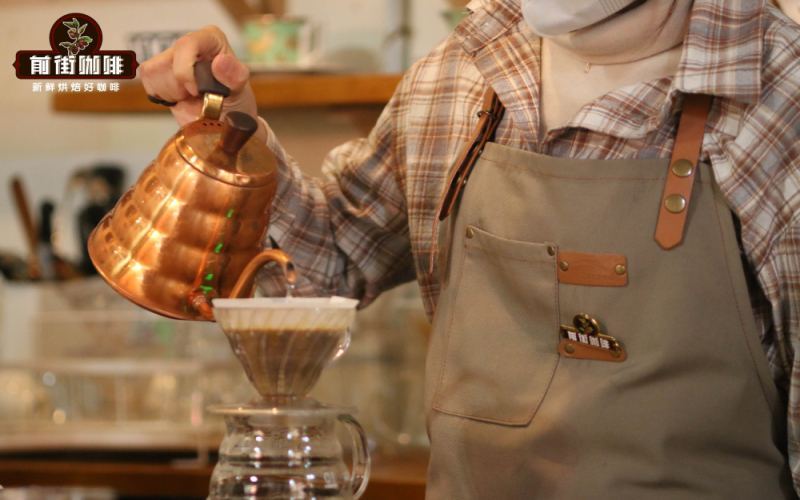
The Complete Guide to the Bloom in Pour-Over Coffee: Water Amount, Timing, and Degassing Tips for Light Roasts
Blooming is a seemingly simple yet subtly nuanced key step in pour-over coffee. From the perspective of Front Street, this article delves into the core purposes of blooming—releasing carbon dioxide and stabilizing extraction—and analyzes the connection between the English term "bloom" and the swelling state of the coffee bed. The article compares in detail the pros and cons of different water amounts (1x to 3x), recommending 1.5-2x water as the better choice, while explaining that bloom time should be flexibly controlled between 20-40 seconds based on degassing effectiveness. In addition, it shares practical tips for judging the end of blooming by observing changes in the dome, as well as the specific effects of different bloom durations on coffee flavor, helping coffee enthusiasts master this step precisely. [more…]
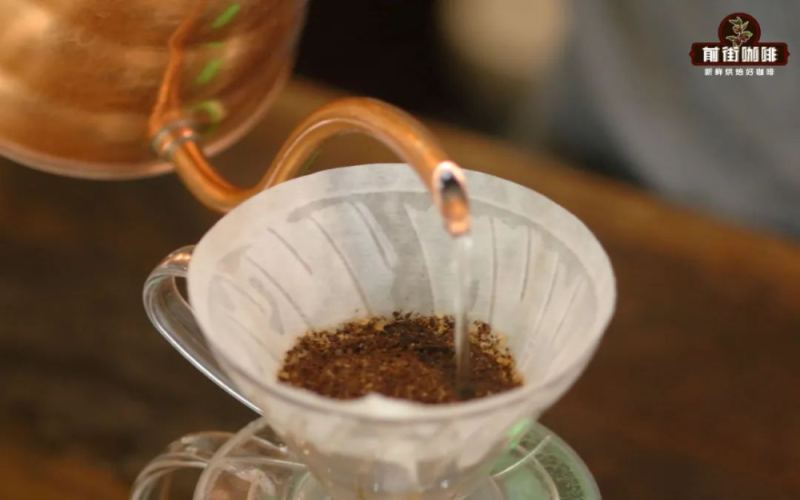
Why Doesn't the Coffee Bloom Puff Up During Pour-Over? An In-Depth Look at the Principles of Degassing and Expansion, Plus Practical Tips
In the bloom phase of pour-over coffee, after water is added, the coffee bed should absorb water and expand, forming a plump "hamburger" dome. But sometimes we find the coffee bed utterly motionless, with no sign of expansion at all—what exactly lies behind this? This article will systematically sort through the various factors that cause a bloom that fails to swell, analyzing everything from the freshness of the coffee beans and storage methods to grind size and roast level. It will also explain the possible effects of an overly long bloom time and offer Front Street Coffee's grinding calibration recommendations for actual practice, helping you pinpoint the root of the problem and improve the consistency and flavor performance of every cup of pour-over. [more…]
Front Street Kenya AA Coffee Pour-Over Tips: A Full Breakdown of Regional Flavor, Roast Profile, and Processing Method
Front Street Kenya AA coffee is renowned for its distinctive banana ester and citric acid aroma, and its flavor varies greatly with the roast level: a light roast reveals malted grain notes, a full city roast brings caramel cocoa with berry sweetness and acidity, while a city+ roast releases tropical fruit and white grape nuances. This article provides an in-depth analysis of Kenya AA's regional flavors and processing method characteristics, and shares in detail the pour-over method recommended by Front Street, with a focus on explaining the bloom assessment and concentric circle pouring technique, helping you precisely control extraction and enhance the coffee's cleanliness and sweetness. [more…]
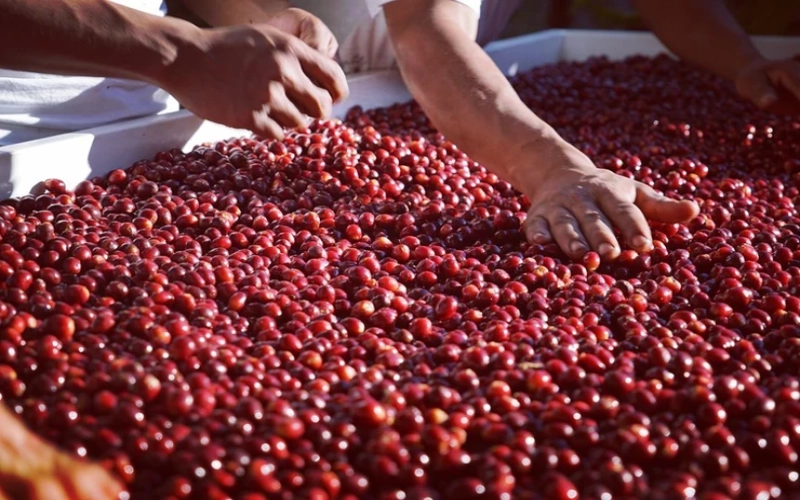
A cup of Hacienda La Esmeralda Green Tip Geisha pour-over is 60 yuan; Front Street Coffee shares the brewing parameters for ASD-processed Geisha.
Geisha coffee's value has soared since Hacienda La Esmeralda in Panama won the BOP competition in 2004, and Elida Estate's Green Tip Geisha set a new BOP record in 2018 with 94.66 points, sweeping both the natural and washed categories. This Green Tip Geisha, grown at 1,900 meters and processed using anaerobic slow-dry natural methods, what does it actually taste like? Front Street Coffee has brought it into its everyday pour-over menu at 60 yuan a cup. This article begins with the history of Geisha's rise to fame, sorts out the difference between Green Tip and Bronze Tip, explains what makes the ASD processing method unique, and includes Front Street's complete tested pour-over parameters to help you brew a cup of Elida Geisha with clearly layered floral and fruity notes. [more…]
What to Do When Coffee Beans Are Past Their Best Flavor Window? Pour-Over Adjustment Tips and Three Waste Reuse Solutions
You bought too many and didn't finish them, or illness got in the way of brewing—and just like that, your coffee beans quietly passed their peak flavor window. Can stale beans still be brewed? What adjustments are needed during brewing? And if they're already past their expiration date, what eco-friendly and practical ways are there to reuse them? Drawing on Front Street's brewing experience, this article first covers hand-brewing strategies for stale beans—including changes to the blooming pour and grind size adjustments—then shares three proven methods for recycling coffee grounds: odor removal, cleaning, and plant fertilizer, so that not a single bean in your hands goes to waste. [more…]

Why Does Fresh Coffee Need Resting? Resting Days and Tips for Espresso and Pour-Over
Nowadays, specialty coffee is flourishing everywhere, and people have increasingly high demands for the freshness of coffee beans, yet freshly roasted beans are often advised to "rest for a while first." This is because newly roasted coffee beans contain a large amount of carbon dioxide, which hinders hot water from extracting aromatic substances and may also bring a dry, astringent sensation that catches in the throat. Resting the beans has become the best way to solve these two problems—generally 5 to 7 days from the roast date is enough, and it applies to both pour-over and espresso. If you really can't wait and want to drink it right away, there are also emergency tips such as pre-ground coffee and extending the blooming time. This article will help you sort out the matter of resting beans from principle to practice, making every cup of coffee fuller and more layered. [more…]
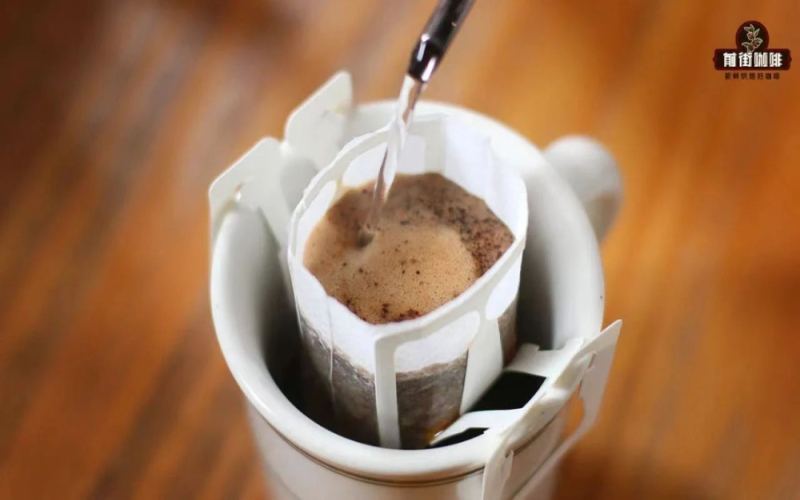
Is Drip Bag Coffee Ground Coffee? Can the Drip Bag Be Soaked in Water When Brewing? A Complete Analysis and Pour-Over Tips
Drip bag coffee has become a must-have for many coffee lovers thanks to its portability, but the flavor differences between these small packets are enormous. From coffee bean grade, freshness, grinder cleanliness to the filling process, every step directly affects the final performance of the drip bag. This article will address two common questions—is drip bag coffee just ground coffee powder? Does the drip bag need to be immersed in water during brewing? It also provides practical pour-over tips and recommends several Front Street Coffee drip bag products suited to different taste preferences, helping you enjoy a cup of full-aroma good coffee anytime, anywhere. [more…]
Panama Elida Green Tip Geisha Price and Pour-Over Parameters Explained: Flavor Characteristics and Brewing Recommendations
Geisha coffee rose to fame after Hacienda La Esmeralda in Panama won the BOP competition in 2004, and its price has been climbing ever since. This article will start with the historical origins of Geisha, focusing on the Green Tip Geisha from Elida Estate in Panama—a legendary bean that set a record of 94.66 points at the 2018 BOP. Front Street Coffee will share the flavor profile of this bean, the characteristics of the Anaerobic Slow Dry (ASD) processing method, and why the powder-to-water ratio should be adjusted to 1:16 when brewing. In addition, it will explain the price difference between Elida Geisha in-store and regular pour-over, and provide complete pour-over parameters for reference. [more…]
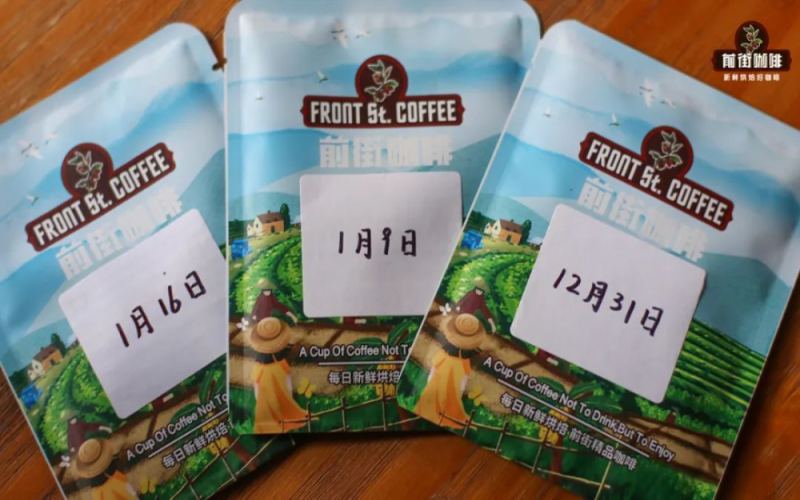
How long can ground coffee retain its flavor after grinding? Brewing performance and storage tips for pre-ground coffee for pour-over
Grinding coffee beans in advance is a compromise many coffee lovers make when conditions are limited. But how long ground coffee retains its flavor is something many people don't know. Front Street conducted a controlled experiment for this: the same Panama Boquete Geisha was ground and sealed separately, then brewed at 14 days, 21 days, and 30 days to observe the bloom expansion, foam state, drawdown speed, and final flavor. The results showed that with good sealing and minimal bag opening, ground coffee can still deliver clear floral and fruity notes about three weeks after grinding; after a full month, the aroma is almost gone, leaving only the basic taste of coffee. The article also offers practical advice on portioning and sealing at the end. [more…]
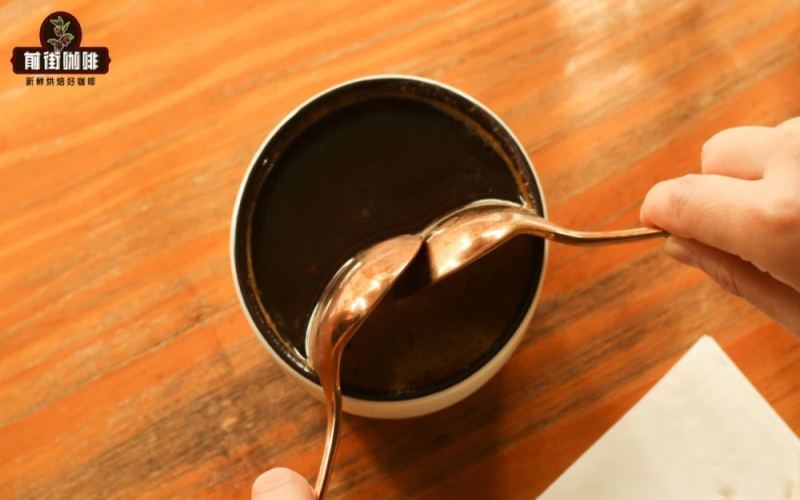
How Else Can You Use Coffee Beans Past Their Peak? Brewing Adjustment Tips and Practical Ways to Reuse Stale Beans
The optimal flavor period for coffee usually refers to 4 to 6 weeks after roasting. Beyond this period, floral notes, fruity acidity, and chocolatey sweetness noticeably diminish or even disappear. Although there is no way to restore coffee beans to a fresh state, adjusting the grind size, the blooming pour, and the circular pouring technique can still improve the taste in the cup. In addition, coffee beans past their expiration date but still within their shelf life need not be discarded in a hurry. Front Street Coffee has tried several down-to-earth reuse methods, such as removing odors, making natural dyes, and spreading them at the bottom of ashtrays, which are both practical and help reduce waste. This article will systematically introduce the key points for brewing stale coffee beans and the many uses for expired beans. [more…]
Don't Rush to Throw Away Expired Coffee Beans: Three Eco-Friendly Reuse Methods and Brewing Adjustment Tips for Stale Beans
Bought too much and can't finish it, or delayed by unexpected matters—before you know it, your coffee beans have passed their peak flavor period. When faced with stale beans, what details should you pay attention to during brewing? And if they've already passed their expiration date, how should you handle them? This article first shares grinding and blooming adjustment methods for stale coffee beans, helping you improve the output as much as possible despite flavor loss; then it organizes three practical and eco-friendly recycling approaches, including deodorizing, cleaning, and using as plant fertilizer, so that expired coffee beans can continue to provide value in daily life. The article also retains relevant suggestions and product information from the Front Street brand for coffee enthusiasts' reference. [more…]
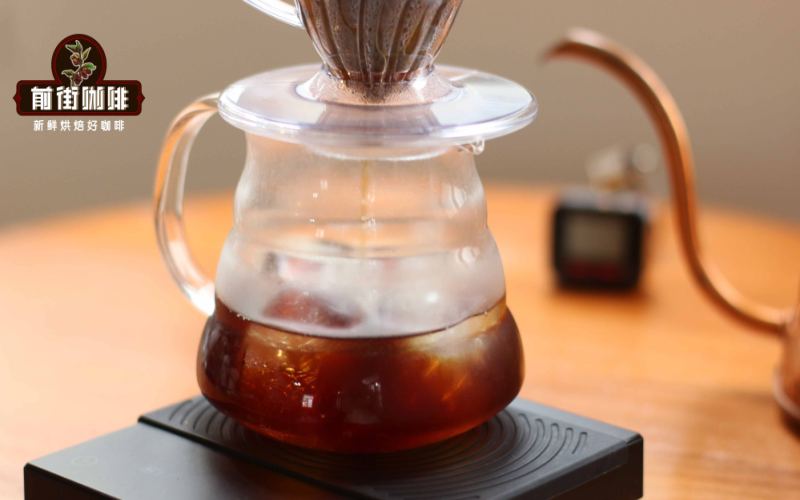
The Complete Guide to Summer Iced Pour-Over Coffee: Practical Tips from Bean Selection to Brewing, Plus Brand Recommendations
In the height of summer, a refreshing, ice-cold iced pour-over coffee is often more popular than hot coffee. This article will break down the iced pour-over process in detail for coffee lovers, from choosing coffee beans suitable for iced brewing and mixing the coffee-to-ice-to-water ratio, to key steps such as grind setting, blooming time, and staged pouring, gradually presenting a complete set of operating instructions. At the same time, the article also combines several Front Street Coffee beans to give specific recommendations for tea-like notes, juicy notes, and no-acidity preferences, helping you easily make a cup of iced pour-over coffee with clear flavor and a clean mouthfeel at home. [more…]
A Detailed Guide to Coffee Bean Resting and Optimal Flavor Periods: How Roast Level Affects Degassing Time and Storage Tips
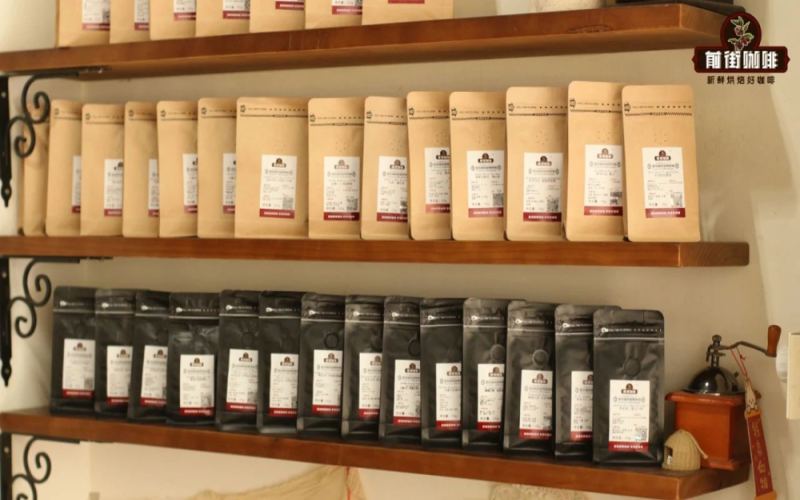
Many coffee enthusiasts pay attention to the roast date when buying coffee beans, believing that the fresher the better. But in fact, freshly roasted coffee beans need a period of "resting" to allow the internal carbon dioxide to fully release before they reach their flavor peak. This article will explain in detail the principles of resting beans, the resting time required for different roast levels, emergency brewing methods for beans that haven't rested properly, and the correct storage methods. At the same time, using Front Street Coffee beans as an example, we provide specific resting recommendations to help you enjoy a good cup of coffee within its optimal flavor period. [more…]
Coffee Brewing Tips for Two: Front Street Coffee Unlocks the Key Extraction Points for Sharing
Drinking coffee alone is certainly pleasant, but if you want to share a pot of good coffee with family and friends, the brewing method needs to be adjusted accordingly. Front Street Coffee uses Ethiopia Gesha Village Chaka as an example to break down in detail the complete brewing process for two servings of coffee. From filter choice, dose setting, grind size adjustment to water temperature control and pouring technique, it analyzes one by one the details that are easily overlooked in multi-serving extraction. The article not only provides precise parameters and operating steps, but also explains why the grind should be coarser, the water temperature lowered, and how to avoid over-extraction through staged pouring. Whether you are a coffee novice or a seasoned enthusiast, you can gain practical multi-serving brewing experience from it, making the moment of sharing coffee more relaxed and enjoyable. [more…]

Is It Feasible to Use 30 Grams of Coffee for a Single Pour-Over? Adjustment Approach and Practical Tips for Large-Dose Extraction
During holidays and family gatherings, there's always someone hoping the coffee enthusiast will brew a fresh pot on the spot. But when the dose jumps from the usual 15 grams to 30 grams, the same technique tends to cause water to pool at the end of the drawdown, drag out the brew time, and leave the flavor low and muddy. Why does extraction change so much once the dose goes up? Front Street Coffee breaks down the challenges of large-dose pour-over one by one—from dripper model and blooming method to pouring rhythm—and offers adjustment plans for both the 02 and 01 drippers, helping you brew coffee close to your everyday standard even at gatherings with many people. [more…]
Pour-over Coffee Brewing Techniques and Tips Tutorial | How Much Coffee Powder for a Single Serving of Pour-over Coffee? Sharing the Pour-over Recipe and Parameters for Colombia Finca La Divisa Sidra
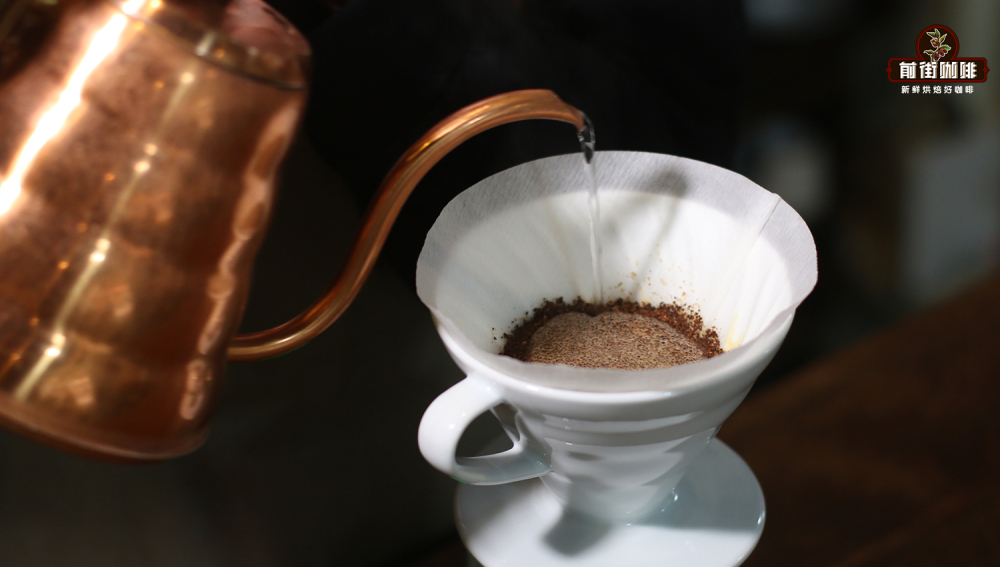
For more specialty coffee knowledge, please follow: Front Street Coffee (FrontStreet Coffee). Every day at Front Street Coffee, we encounter customers asking about pour-over coffee, perhaps about what pouring technique should be used for pour-over coffee? Or [more…]
Front Street Coffee Rose Valley Pour-Over Tips: Flavor and Brewing Points of Colombian Double Anaerobic Enzyme Washed Coffee
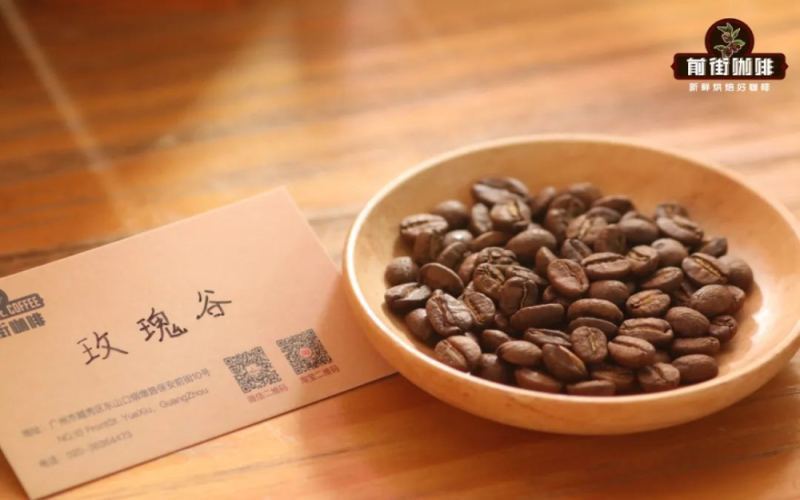
Front Street Coffee's Rose Valley, a Colombian coffee bean, is unforgettable from the first sip thanks to its distinct peach flavor, and its unique taste comes from a double anaerobic enzyme wash processing method. However, getting the ideal result when brewing this type of anaerobic bean is no simple task—the grind setting, water temperature, and pouring rhythm all need targeted adjustments. This article starts with the principles of anaerobic fermentation and, combined with Front Street's hands-on experience, breaks down the key points of brewing Rose Valley by hand one by one, including how to calibrate the grind size with a sieve, why the water temperature should be controlled at 90-91°C, and the specific parameters for a three-stage pour, helping you consistently reproduce that cup of Rose Valley with floral notes and fruity sweetness. [more…]
Pour-Over Coffee for Beginners: The Art of Water Pouring — Tips for Even Circular Pouring from the Center and Bean Recommendations for Practice
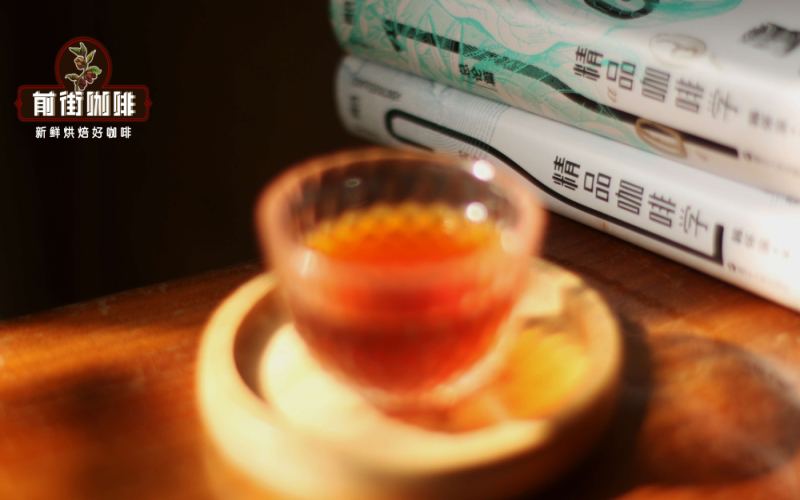
Those just beginning to explore pour-over coffee are often baffled, amidst a plethora of brewing books and techniques, about which step is truly crucial. In reality, the core lies in three aspects: understanding the current state of the coffee beans, having clear criteria for flavor evaluation, and maintaining a stable and consistent brewing method to fully extract the bean's intrinsic flavors. This time, Front Street Coffee focuses on the seemingly simple yet highly nuanced pouring stage, dissecting from blooming to circling, from water stream control to the characteristics of the dripper, step by step, the details that beginners are most likely to stumble upon, and recommends several everyday practice beans that balance flavor and cost-effectiveness, helping you take your first step in pour-over coffee in a more solid way. [more…]
Drip Bag Black Coffee Buying Guide: Top Ten Specialty Bean Recommendations and Proper Brewing and Storage Tips
As the pace of modern life accelerates, drip bag coffee has become an ideal choice for home, office, and travel thanks to its simplicity and efficiency. This article will provide coffee lovers with a detailed analysis of how to choose the right drip bag coffee beans according to personal taste, with a focus on recommending several best-selling Front Street Coffee products, including specialty beans such as Yunnan Typica, Golden Mandheling, Yirgacheffe Red Cherry, and Brazil Queen's Estate. At the same time, it shares practical knowledge such as the correct brewing method for drip bag coffee, preservation tips, and the best flavor period, helping everyone easily enjoy a cup of stable-quality black coffee even without professional equipment. [more…]
From Roast Date to Opening and Tasting: The Flavor Cycle and Storage Tips of Pour-Over Coffee Beans
Freshly roasted coffee beans accumulate a large amount of carbon dioxide gas within their bodies, making them unsuitable for immediate grinding and brewing in the first few days after roasting. When hot water is poured in, the gas is released violently, forming a dense barrier layer that hinders full contact between the water flow and the coffee grounds. Through a resting and degassing period ranging from several days to more than ten days, the internal aroma molecules [more…]